Encinitas Condo And Townhome Buying Guide
June 11, 2026
June 11, 2026
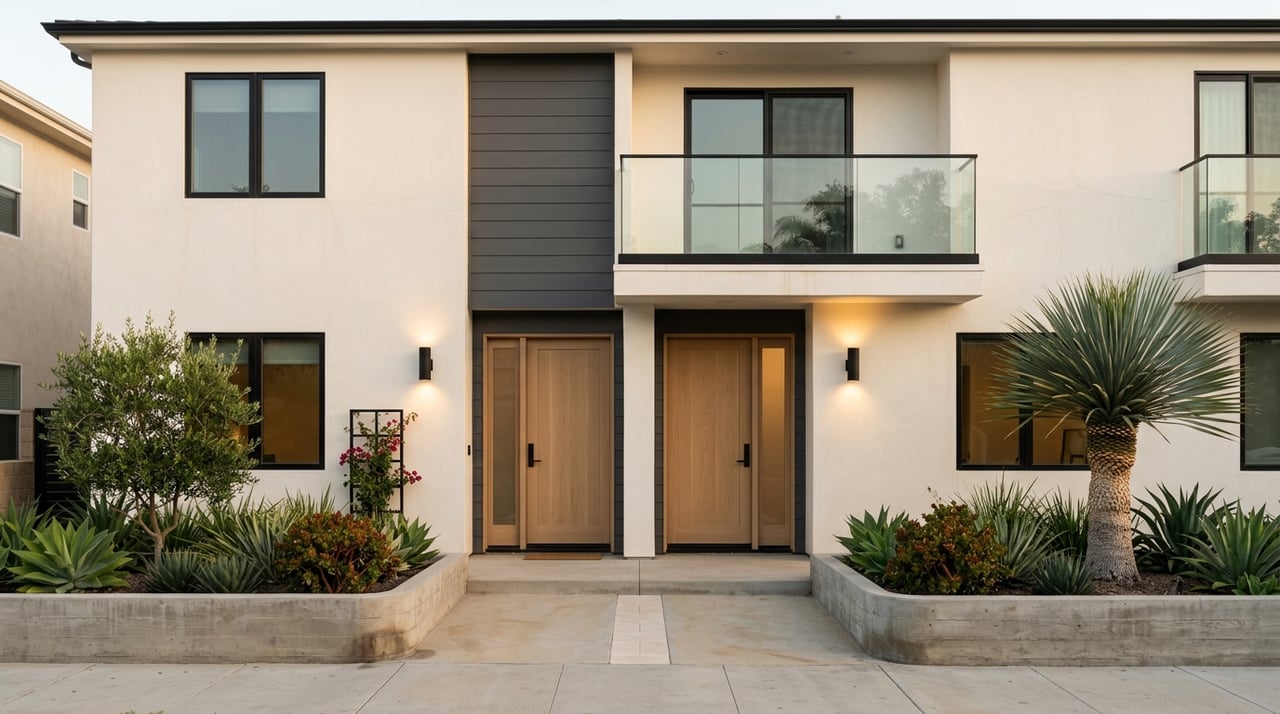
If you want a foothold in Encinitas without stepping straight into detached-home pricing, condos and townhomes deserve a close look. In this market, attached homes can open the door to a coastal lifestyle, but they also come with tradeoffs around HOA rules, parking, maintenance, and location. This guide will help you understand what to expect, what to compare, and what to review before you buy. Let’s dive in.
Encinitas is still a high-priced coastal market, even when you focus only on condos and townhomes. Recent market snapshots show a median sale price of $2.12 million in Encinitas, with homes moving in a median of 21 days and nearly 29.7% selling above list price. Zillow also places typical home values and median sale prices in the roughly $1.93 million to $1.95 million range.
That bigger market context matters because attached homes do not exist in a vacuum. Buyers often turn to condos and townhomes as a way to stay in Encinitas while keeping price, maintenance, or size more manageable. Even so, you are still shopping in a competitive coastal city where strong inventory can move quickly.
Supply is also relatively tight. Current public listing snapshots show far fewer condos and townhomes than single-family homes, with Zillow showing 26 condos, 11 townhomes, and 77 single-family homes, while Redfin shows 23 condos and 16 townhouses. When supply is that limited, the best-fit homes can attract quick attention.
Attached-home pricing in Encinitas covers a very wide range. Current public listings show condos from about $529,000 to $5.75 million and townhomes from about $949,000 to $3.295 million. That spread reflects major differences in location, views, updates, community design, and overall finish level.
At the listing level, Redfin shows a median listing price around $870,000 for condos and about $1.36 million for townhouses. Those figures can be useful for setting expectations, but each property still needs to be evaluated on its own merits. A beach-close unit with ocean views can live in a very different price tier than an inland home with a larger layout and different amenities.
One reason attached homes appeal to a wide range of buyers is the variety. Current listings include smaller one-bedroom condos around 635 to 1,092 square feet, townhomes in the roughly 949 to 1,933 square foot range, and premium attached homes that exceed 2,500 square feet. That means your options may range from a simpler lock-and-leave property to a larger residence that feels more like a single-family home.
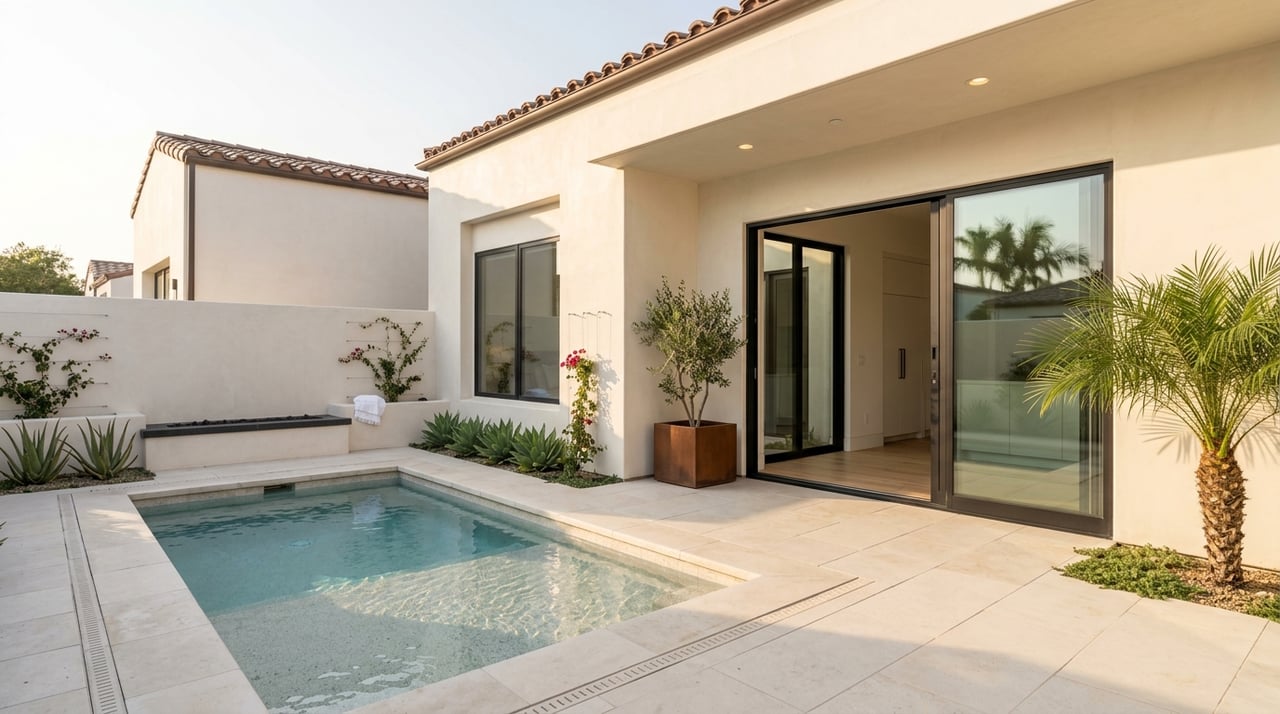
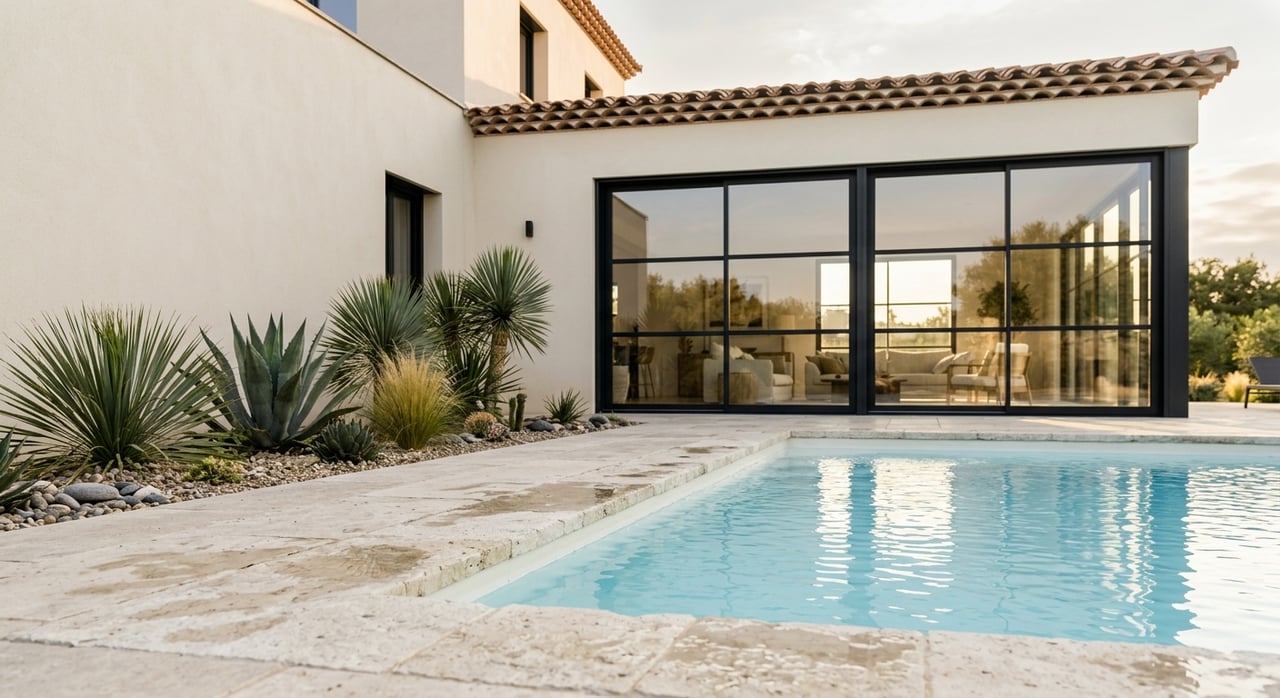
Amenities can also change the value equation. Current inventory includes features like ocean views, private patios, pools or jacuzzis, and assigned or multiple parking spaces. Two homes with similar square footage may feel completely different once you factor in outdoor space, parking convenience, and community features.
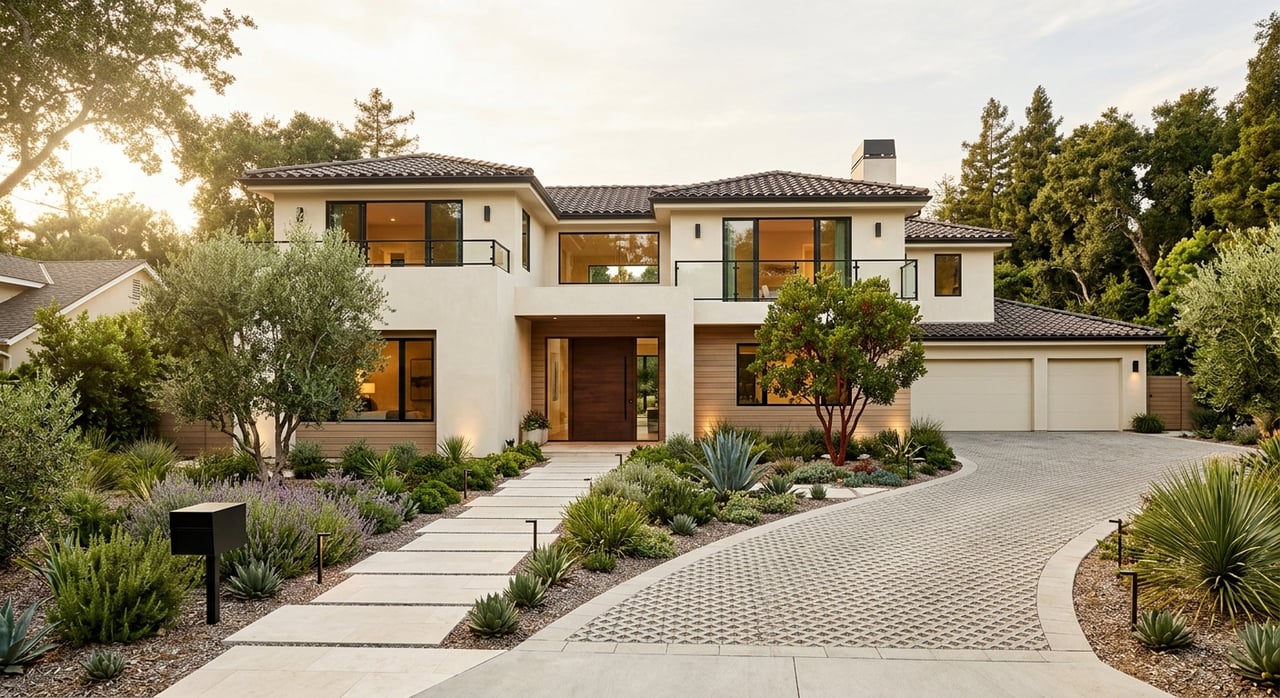
In practical terms, attached homes usually trade a smaller footprint for shared-maintenance convenience. Detached homes tend to offer more land, more independence, and more room to expand, but often at a much higher price point. For many buyers, the right choice comes down to how you want to live day to day.
Encinitas attached housing is not concentrated in one single setting. Current listings show a split between beach-close pockets and more inland planned communities. Redfin’s neighborhood and listing data point to areas such as Cardiff, Leucadia, and the coastal Highway 101 corridor on one side, with La Costa, Rancho La Costa, and other inland communities on the other.
That distinction matters because lifestyle can vary a lot by location. Some buyers want quick beach access, coastal views, or a more central feel near downtown amenities. Others prefer inland communities that may offer different floor plans, parking setups, or neighborhood layouts.
It is also important not to assume all of Encinitas works the same way for walkability. Redfin gives the city a Walk Score of 43, which it describes as minimally walkable. In other words, you should evaluate each pocket carefully rather than assume every address offers the same level of convenience.
Parking can be a bigger issue with condos and townhomes than many buyers expect. In some beach-close areas, your daily experience may depend as much on parking rules and guest access as it does on interior finishes. That is especially true if the home has limited assigned parking or relies on street parking for visitors.
Encinitas currently has four residential permit parking zones. The city ties permits to addresses inside each zone, allows three guest permits per dwelling unit, and notes that Zone D guest permits have a 30-day term. If you are considering a beach-close property, it is smart to verify how guest parking really works before you assume it will be easy.
Encinitas is a six-mile coastal city with about 45 acres of beaches and 40 miles of trails. The city highlights public-access beach areas such as Moonlight Beach, Swami’s, Grandview, Beacon’s, and Stonesteps. That coastal access is a major part of the appeal for many buyers, especially in attached homes near the shoreline.
At the same time, coastal ownership comes with extra layers to review. The city states that the San Diego County coastline is in a constant state of erosion, with bluff encroachment and wave action affecting infrastructure. It also notes that new development in the coastal zone requires a Coastal Development Permit.
For buyers looking west of Highway 101 or near bluff-adjacent locations, this means extra due diligence matters. You may want to review permit history, project location, and any coastal or hazard-related considerations tied to the specific property. Not every coastal home carries the same level of exposure or review requirements.
When you buy a condo or townhome in Encinitas, HOA review is not just a box to check. It is one of the most important parts of the purchase. California Civil Code 4525 requires the seller to provide key association documents, including governing documents, the latest annual budget report, assessment and fee information, unresolved violation notices, any rental or leasing prohibition statement, requested board minutes, and the most recent exterior elevated element inspection report if one exists.
Those records can tell you far more than the listing sheet. They help you understand what the dues cover, what restrictions may apply, whether there are active disputes or violations, and how the community is handling maintenance. In many cases, they also reveal whether a seemingly affordable monthly HOA fee may come with future financial risk.
Under Civil Code 5300, the annual budget report includes a pro forma operating budget and reserve summary. The reserve disclosure also asks whether current reserves are projected to be sufficient over the next 30 years. For buyers, that is a practical way to gauge whether the association appears prepared for long-term repairs or whether special assessments may be more likely.
For condominium projects, California Civil Code 5551 requires a visual inspection of a random, statistically significant sample of certain exterior elevated elements at least every nine years. In plain terms, that can include items such as balconies, decks, stairs, and related waterproofing components.
This is especially relevant in older coastal projects or any community with elevated common structures. If you are buying in one of those buildings, inspection history and repair planning deserve close attention. You want to know whether the association has been proactive and whether any recommended work could affect future costs.
If you are considering a new condo or townhome community, the review process is a little different. The California Department of Real Estate states that public reports for new projects disclose governing documents, association costs and assessments, and other material information before a buyer becomes obligated.
That makes the public report a key document in new construction purchases. It can help you understand the planned HOA structure, what costs you should expect, and how the project is set up while still under developer control. New does not mean risk-free, so document review still matters.
Some buyers want flexibility to rent the home later, whether as a long-term plan or just as a future option. In Encinitas, that means you need to check both the HOA rules and the city rules. Relying on one without the other can create problems.
The city regulates short-term rental permits through Encinitas. If rental income is part of your strategy, you should confirm the association’s leasing restrictions and the city’s permit requirements for that specific property. A home’s location and HOA rules can affect what is realistically allowed.
Before you make an offer on an Encinitas condo or townhome, pull together the most useful documents and public information you can review. A careful document review can save you from surprises after closing.
Here is a strong starting checklist:
When buyers compare attached homes in Encinitas, it helps to look past price per square foot and ask a few practical questions. How much outdoor space do you actually get? How easy is daily parking? What do the HOA dues cover, and what do they not cover?
It is also smart to compare the lifestyle fit. A smaller beach-close condo may offer a very different day-to-day experience than a larger inland townhome with more parking and a different community setup. Neither is automatically better. The better fit is the one that supports how you plan to live, commute, host guests, and use the property over time.
A condo or townhome can be a smart way to buy into Encinitas, but the best purchase is rarely the one that looks best on a listing app. In this market, success often comes from understanding the location, the HOA, the parking reality, and the long-term ownership picture before you commit. When you line those pieces up well, attached living can offer a strong mix of convenience, lifestyle, and access to one of North County’s most sought-after coastal cities.
If you want a local, data-driven perspective as you compare neighborhoods, communities, and individual properties, Amy Jensen can help you buy with clarity and confidence.
Stay up to date on the latest real estate trends.


Get assistance in determining current property value, crafting a competitive offer, writing and negotiating a contract, and much more. Contact Amy today.