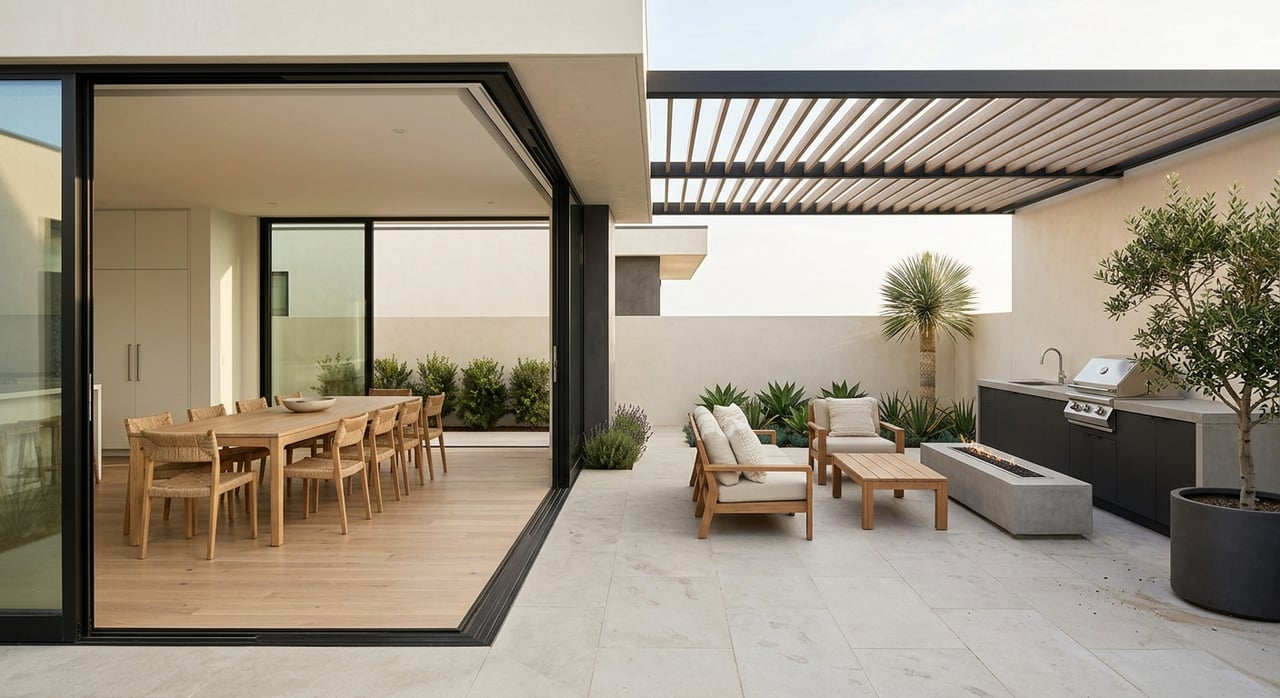
Designing Indoor‑Outdoor Living In Cardiff Homes
June 25, 2026
June 25, 2026
If you live in Cardiff-by-the-Sea, indoor-outdoor living is not just a design trend. It is one of the clearest ways to make the most of the coastal setting you enjoy every day. Whether you are updating your home for your own lifestyle or preparing it for a future sale, thoughtful design can help you create better flow, protect views, and make outdoor space more useful year-round. Let’s dive in.
Cardiff sits within Encinitas along six miles of Pacific coastline, and the local climate helps explain why outdoor living matters so much here. A nearby NOAA climate station reports an annual mean temperature of 62.5°F, with average highs around 65°F in January and 75.8°F in August. That kind of weather supports patios, decks, and open-air gathering spaces through much of the year.
At the same time, coastal conditions shape how these spaces work best. The National Weather Service notes that nighttime and early-morning low clouds and fog are common in spring and summer, with afternoon clearing typical. NOAA also explains that the marine layer can linger for days or even weeks, which means a fully exposed patio may not feel as comfortable or flexible as homeowners expect.
That is why the best indoor-outdoor design in Cardiff is usually not about creating one large open space with no protection. It is about building adaptable areas with shade, wind buffering, and easy transitions between inside and outside.
A lot of homeowners picture disappearing glass walls and wide-open decks when they think about indoor-outdoor living. Those features can be beautiful, but in Cardiff, comfort often matters more than total exposure. A space that works on a bright August afternoon and also on a cool, cloudy June morning will usually add more day-to-day value.
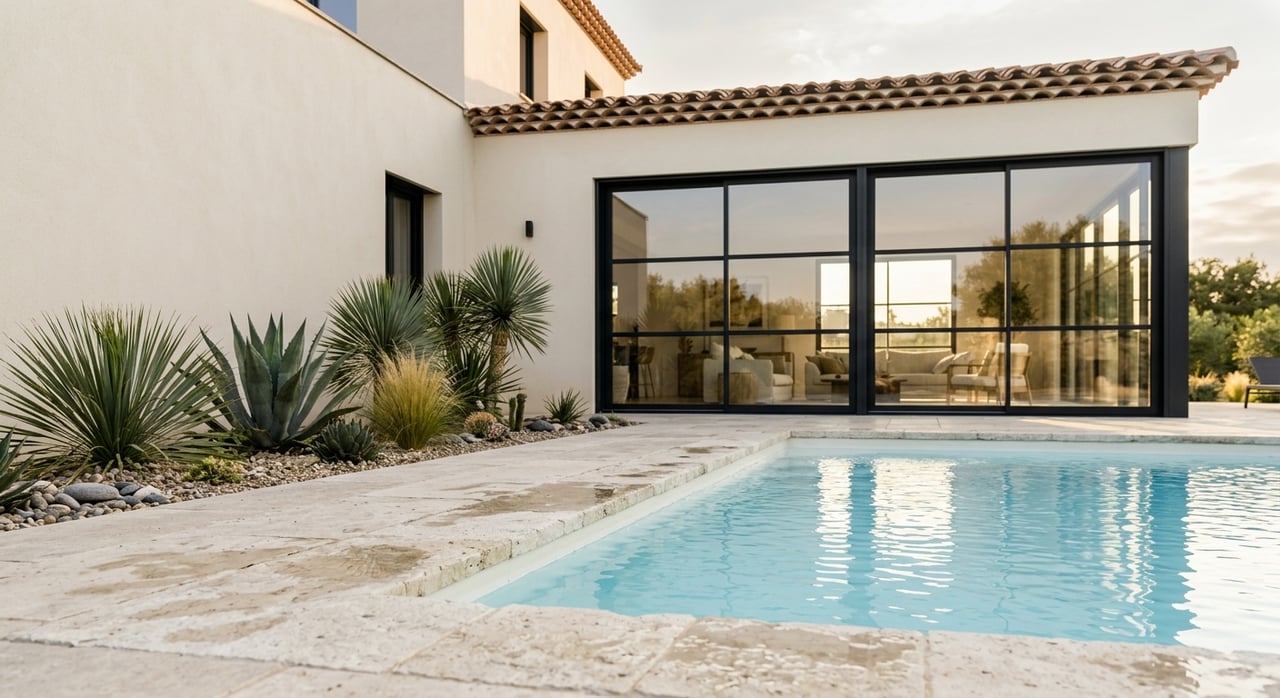
When you plan an outdoor area, think about how you will use it across changing coastal conditions. Covered patios, partial overhangs, protected courtyards, and flexible seating zones can help you enjoy the space more often. These choices also make the home feel more livable to future buyers.
In Cardiff, views and sightlines are not just a personal preference. Encinitas design guidance emphasizes preserving public views of the ocean, lagoon, or backcountry, and generally providing ground-level view corridors from public streets. The city also encourages preserving views through a site and treating internal views, such as courtyards, as part of the overall design.
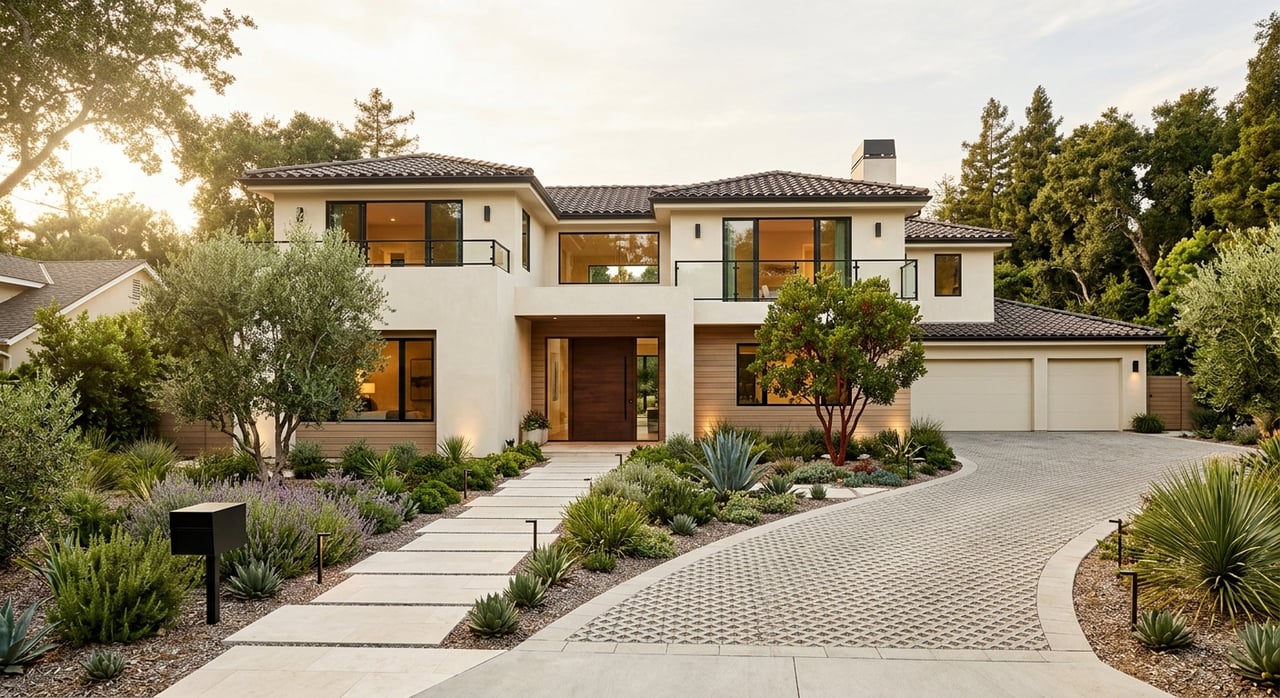
For you as a homeowner, that means indoor-outdoor design should be intentional. Instead of adding bulky structures that interrupt visual flow, it often makes more sense to use low-profile additions, carefully placed landscaping, and outdoor rooms that frame views rather than compete with them.
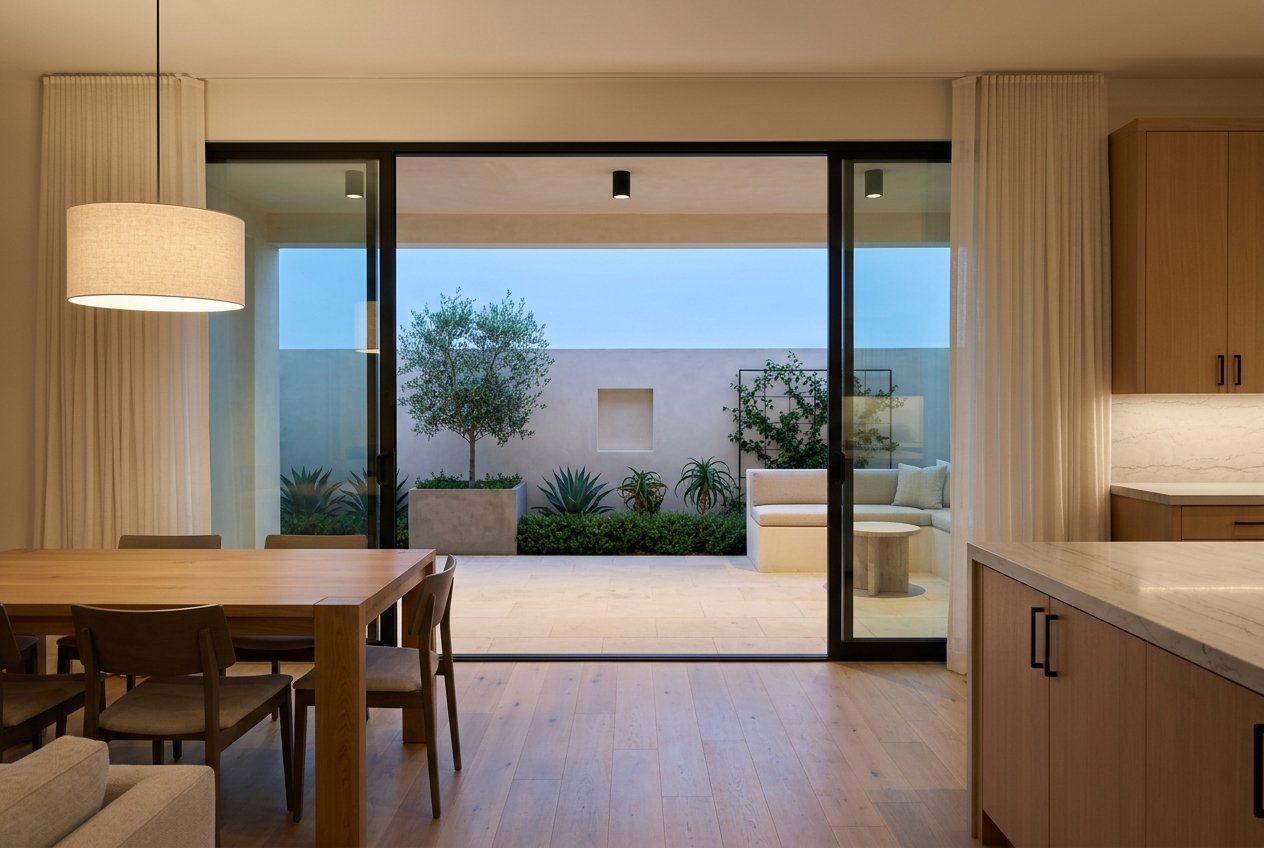
A good design can make your home feel larger without adding visual clutter. When sightlines carry from interior living areas to a courtyard, garden, deck, or horizon view, the home often feels calmer and more connected to its setting.
Beautiful finishes matter, but in Cardiff, durability matters just as much. FEMA’s Coastal Construction Manual notes that salt spray and moisture frequently lead to corrosion and decay of building materials in coastal environments. It also states that salt spray can accumulate on metal surfaces and accelerate corrosion, with stainless steel recommended where rapid corrosion is expected.
In practical terms, this means your outdoor design choices should be based on long-term performance, not just appearance on installation day. Hardware, railings, lighting, fasteners, and exterior finishes all face more wear in a coastal setting.
If you are remodeling for resale, this is especially important. Buyers often notice when a home’s outdoor features already look weathered or high-maintenance, even if the design itself is appealing.
Some of the best Cardiff homes feel effortless outdoors, but that ease usually comes from careful planning. Encinitas design standards encourage grading that blends with natural terrain, smaller terraced pads where feasible, and drainage of hardscape and walkways toward vegetated areas or approved drainage locations.
That matters because outdoor living areas do not exist in isolation. Patios, retaining walls, steps, walkways, and seating areas all need to work with the site’s slope and runoff patterns. If they do not, the result can be both functional and resale problems later.
In a coastal area where flooding and bluff failure are identified local hazards, drainage should be part of the design conversation from the start. A great patio is not just attractive. It should also be well planned for water movement, access, and long-term performance.
Before you get too far into planning, it is important to understand that permits and review may be part of the process in Cardiff. Encinitas says new development in the Coastal Zone requires a Coastal Development Permit, and the Local Coastal Program covers most of the city.
The city also notes that in the Coastal Zone, removing more than 50% of a single-family home’s exterior walls can trigger Coastal Development Permit review. Some minor interior remodels may be exempt unless they are near bluffs or other sensitive areas. If your property is in a Specific Plan area or on a bluff-top lot, setback standards may also differ, and bluff-coast projects can require geotechnical review.
Even hardscape can trigger review. According to the city’s applications information, new or replaced hardscape over 500 square feet requires a hardscape and drainage permit.
Indoor-outdoor upgrades can absolutely improve how a home shows, photographs, and lives. In Cardiff, they can also shape buyer confidence. Well-designed spaces that feel connected, durable, and code-conscious tend to support a stronger first impression.
On the other hand, outdoor projects that appear overbuilt, poorly drained, or out of step with the site can raise questions. This is especially true for properties near the shoreline or on bluffs, where exposure, permitting, and long-term maintenance can become part of a buyer’s evaluation.
Encinitas also identifies coastal flooding in Cardiff and bluff failures along the coastline as local hazards. In addition, the city’s Coastal Bluff Overlay rules restrict seawalls, revetments, breakwaters, and similar erosion-control structures except in narrow emergency circumstances. For buyers and sellers, that means you should not assume a hard-armoring solution will be available later if erosion becomes a concern.
Because of that, well-documented and code-compliant improvements can carry real value at resale. They show that the outdoor space was created with the property’s setting in mind.
The most effective indoor-outdoor spaces in Cardiff usually balance style, comfort, and site conditions. You do not need the biggest renovation to create impact. Often, the best results come from improving flow and usability in ways that feel natural to the home.
Here are a few design directions that align well with local conditions and guidance.
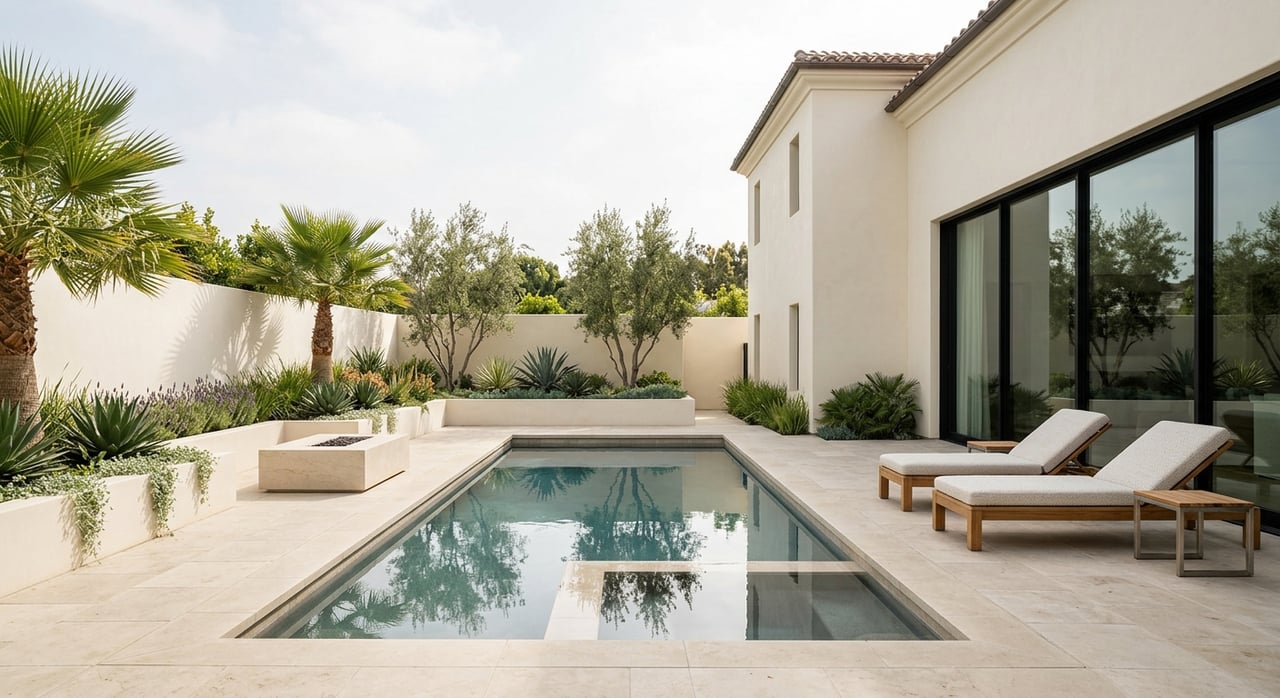
A courtyard can create a protected outdoor room that feels connected without being fully exposed to marine air and wind. It can also support internal views, which Encinitas specifically treats as an important part of site design.
On sloped lots, smaller terraced spaces may work better than one large flat pad. This approach often fits the site more naturally and can help outdoor areas feel more integrated.
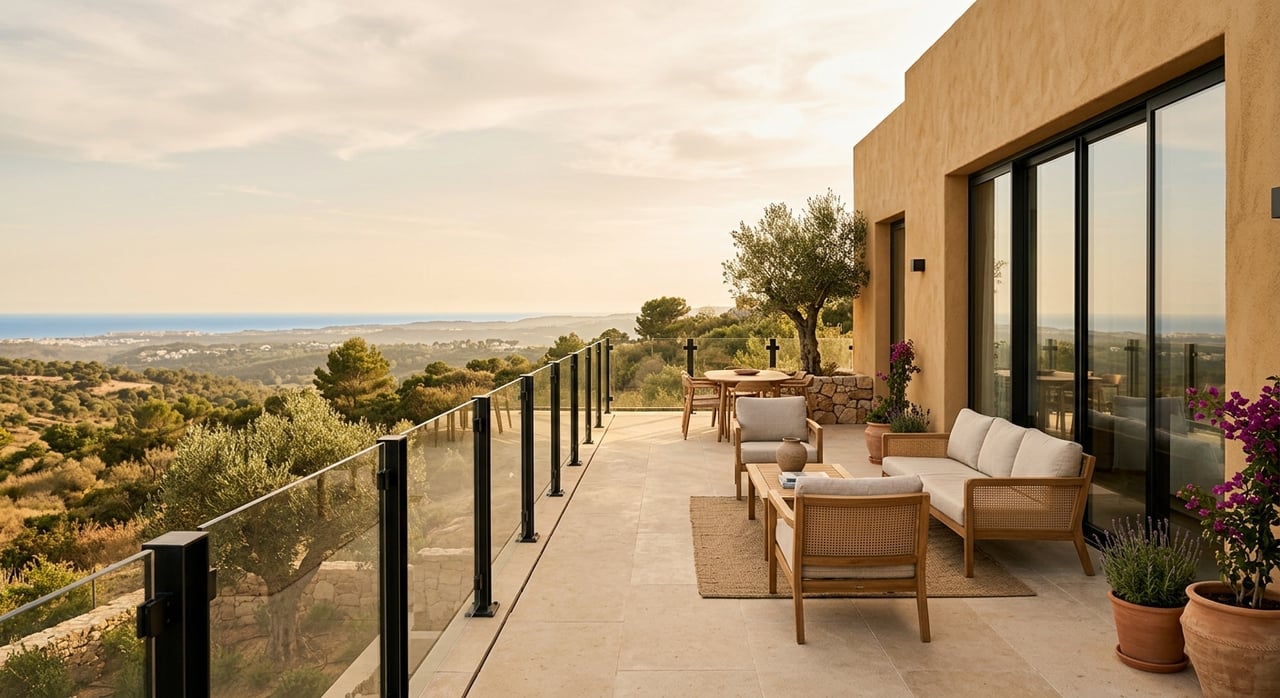
If your property has a view, the goal is usually to highlight it without blocking it. Low-profile design moves, clean sightlines, and carefully placed landscaping can help preserve that visual connection.
Because Cardiff weather can shift between sun, clouds, and cool marine air, a partially covered outdoor area can offer better everyday use than a fully open one. Flexibility is often more valuable than maximum exposure.
For sellers, indoor-outdoor living can be one of the most marketable parts of a Cardiff home when it is done well. It photographs beautifully, supports lifestyle-driven marketing, and helps buyers picture how they will use the home. In a coastal market, that emotional connection matters.
For buyers, these spaces are worth evaluating beyond surface style. You want to look at comfort, exposure, durability, drainage, and whether improvements appear consistent with the home’s site and setting. A stunning patio is even more compelling when it also feels practical and well considered.
If you are weighing updates before listing, or comparing homes with different outdoor setups, local context makes a difference. Cardiff’s coastal conditions, design standards, and permitting rules create a very specific lens for evaluating what adds value.
If you are thinking about buying, selling, or upgrading a home in Cardiff-by-the-Sea, working with a local advisor can help you see which indoor-outdoor features truly support value and which ones may create friction later. For tailored guidance on Cardiff and the broader Encinitas coastal market, connect with Amy Jensen.
Stay up to date on the latest real estate trends.
Get assistance in determining current property value, crafting a competitive offer, writing and negotiating a contract, and much more. Contact Amy today.