Timing your move in San Elijo Hills can feel like trying to catch the perfect wave. You want strong buyer demand, the right level of competition, and a smooth closing that fits your life. The good news is seasonality still matters in North County, and you can use it to your advantage. In this guide, you’ll learn how each season typically plays out, what to watch in the data, and smart strategies for buyers and sellers. Let’s dive in.
Seasonality, simply explained
Spring is peak activity. From roughly March to June, new listings, showings, and closings tend to rise. More buyers are out after winter, weather is favorable, and many households aim to move around the school calendar. Prices can feel firm because demand often outpaces early-season inventory.
Summer usually stays active through July, then cools in August as families travel and settle. Days on market can tick up and buyers may have a bit more leverage late summer. Fall often brings a moderate pace with motivated sellers targeting year-end closings. Winter has the fewest new listings and showings, but the buyers who remain are often serious, which can lead to faster negotiations.
Local factors can amplify or mute these patterns. Coastal and amenity-rich neighborhoods often have milder swings because lifestyle and second-home buyers search year-round. Inland suburbs with more family-driven moves, like San Elijo Hills, typically see stronger spring peaks.
San Elijo Hills vs. coastal patterns
Family-driven spring surge
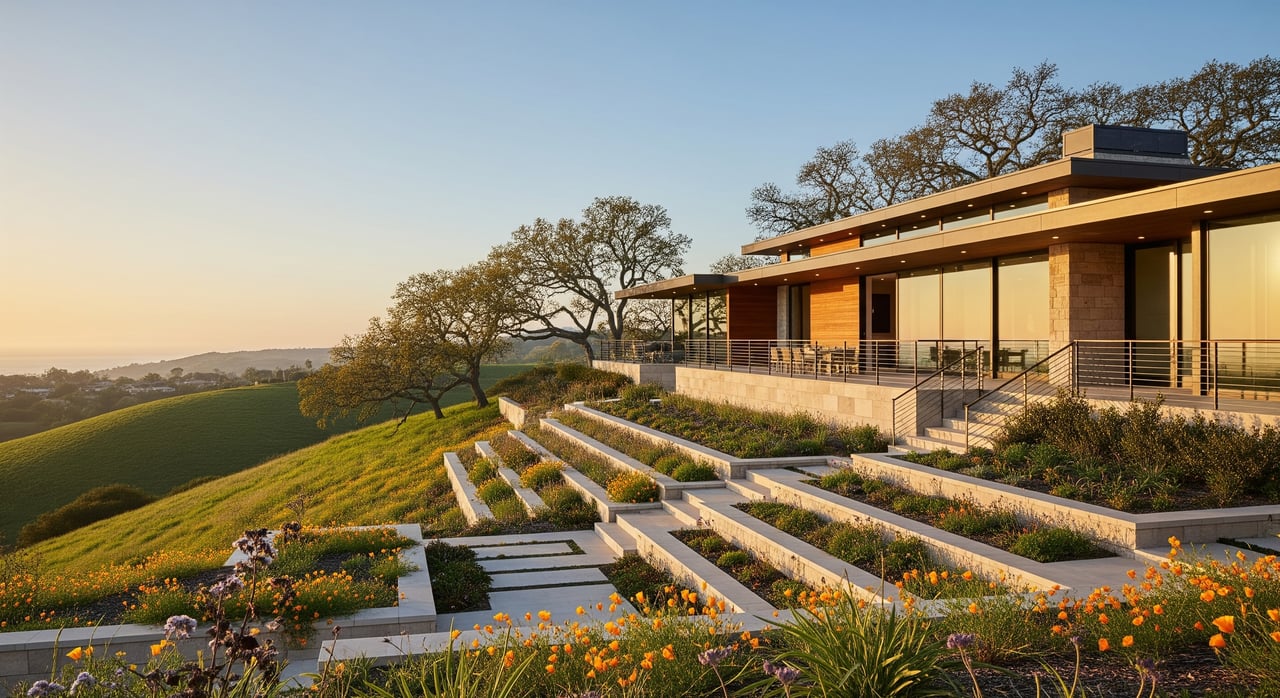
San Elijo Hills attracts many buyers who plan around the school year and community amenities. That often concentrates demand in spring when families prepare for summer moves. New-construction releases, when they occur, also tend to cluster in spring and summer, which can create short bursts of additional inventory.
Coastal demand stays steadier
Coastal areas like Encinitas and Carlsbad often show smoother activity throughout the year. Lifestyle and second-home buyers are less constrained by school calendars, so coastal seasonality is typically milder than inland. The result is a sharper spring peak in San Elijo Hills and more even demand along the coast.
What to watch by season
Spring priorities
- Expect more competition, faster offers, and higher list-to-sale ratios.
- Prepare financing, disclosures, and inspections early so you can move quickly.
- For sellers, the first 4 to 6 weeks on market are critical, so launch with polished presentation.
Summer shifts
- Early summer remains active as spring escrows close; late summer may slow.
- Buyers can be more selective in August as days on market increase.
- Watch for builder inventory or model homes that may offer negotiation room.
Fall reset
- Activity moderates and pricing stabilizes relative to spring highs.
- Motivated sellers list to close before year-end, which can create opportunities.
- Relocation timelines and tax planning bring some buyers back into the market.
Winter opportunities
- Fewer listings and showings, but active buyers are often highly motivated.
- Sellers who list may be flexible on timing or minor concessions.
- In low-inventory conditions, well-priced homes can still sell quickly.
Metrics that matter
Track these indicators to separate seasonal noise from real shifts:
- New listings: Signals fresh supply, usually rising into spring.
- Active inventory and months of inventory: Lower months of inventory favor sellers; seasonal dips often occur in spring.
- Pending and closed sales: Confirm buyer demand with a 30 to 60 day lag.
- Median price and price per square foot: Compare month-to-month and year-over-year to avoid confusing seasonality with long-term trends.
- Days on market: Shorter times indicate stronger demand; compare by neighborhood and season.
- List-to-sale price ratio: Higher ratios suggest multiple offers; these often peak in spring.
- Concessions and contingencies: Credits and flexible terms tend to rise in cooler seasons.
- Mortgage rates: Rate drops can amplify demand at any time of year; spikes can mute seasonality.
Seller strategies by goal
Maximize price in spring
- List between late February and May to capture peak buyer traffic.
- Price competitively to encourage multiple offers; rely on current neighborhood data.
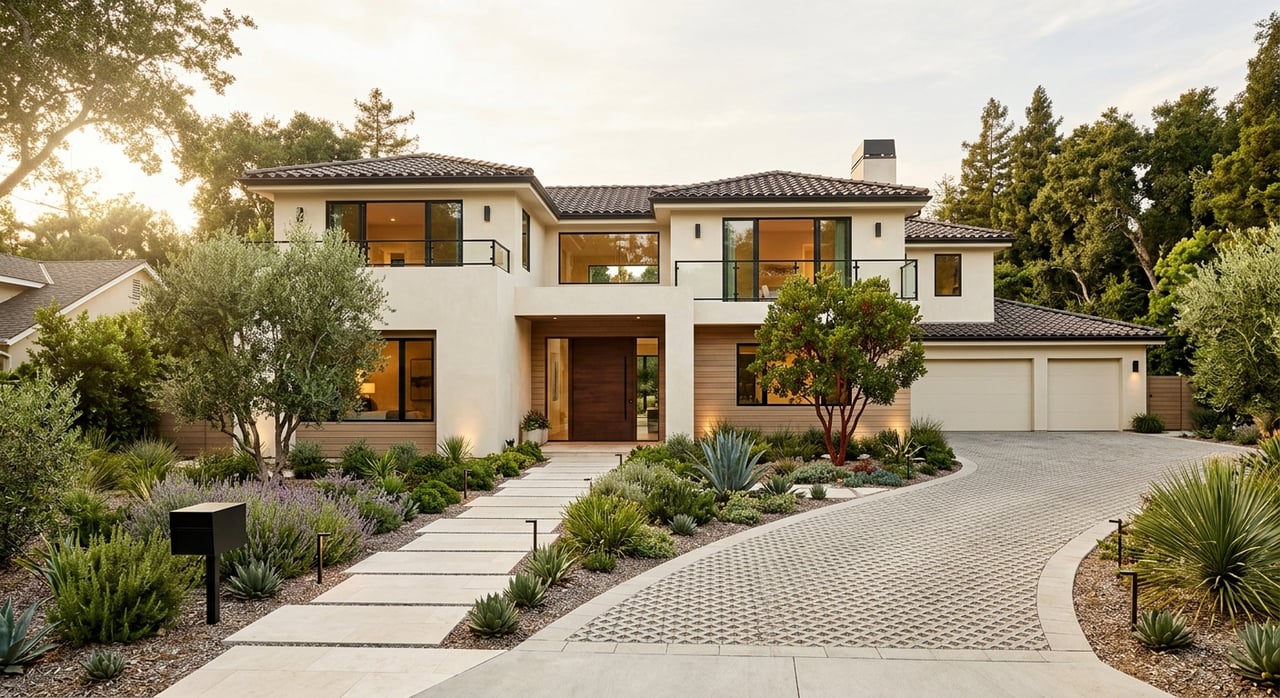
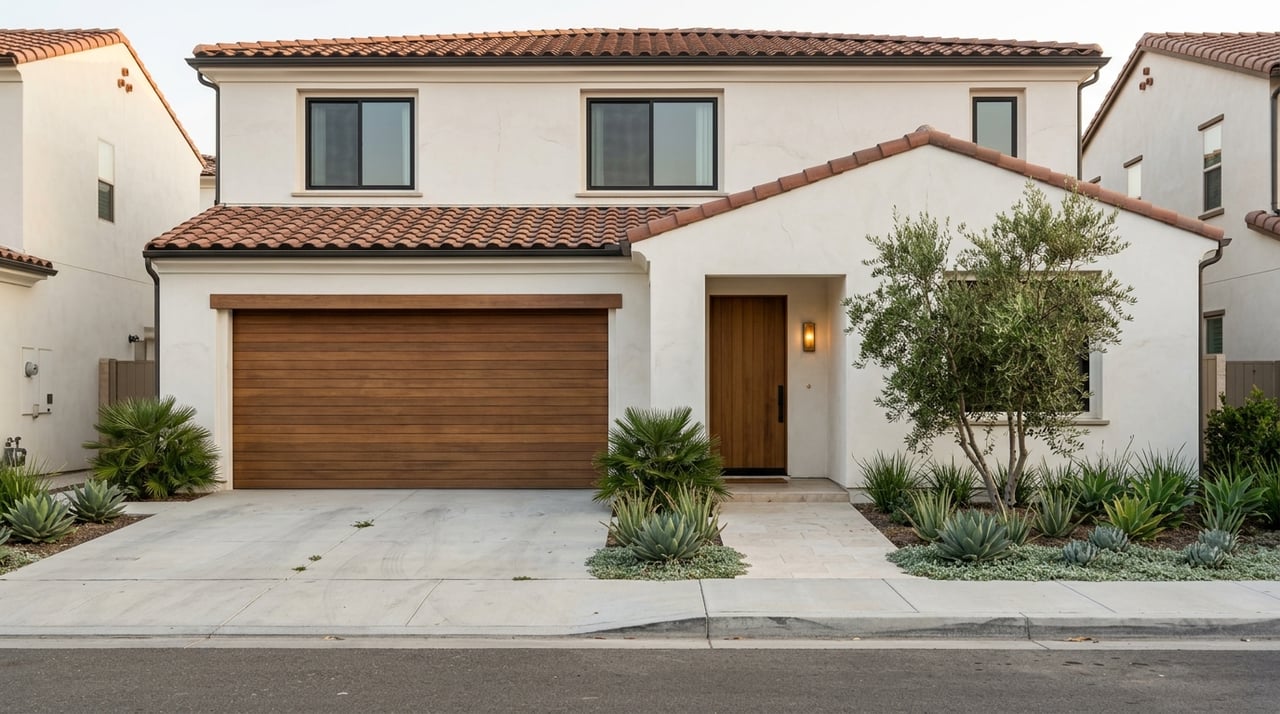
- Showcase curb appeal and outdoor living spaces to align with spring priorities.
Stand out in winter
- Emphasize move-in readiness, warm lighting, and professional photography.
- Consider modest incentives, such as flexible timing or small credits, to attract serious winter buyers.
- Use conservative pricing based on current months of inventory.
Six to eight week prep plan
- Weeks 1–2: Consult on pricing, timeline, and marketing; complete pre-list inspection.
- Weeks 3–4: Tackle repairs, declutter, and stage key rooms and outdoor areas.
- Weeks 5–6: Finalize photography and video, prepare disclosures, and pre-launch marketing.
- Week 7+: Go live, schedule showings, and review offers with a clear decision plan.
Buyer strategies by priority
For the most selection
- Start searching in late winter to early spring as new listings ramp up.
- Get pre-approved and review comps so you can write strong, clean offers quickly.
- Consider escalation clauses and shortened timelines when competition is high.
For negotiation leverage
- Explore late summer and winter when activity is lighter.
- Focus on flexibility, such as a tailored closing date or rent-back, to create win-win terms.
- Ask about credits or repairs where appropriate.
For family moves
- Begin planning 3 to 6 months before your ideal school start.
- Aim to shop and offer early in spring for late spring or early summer closing.
- Coordinate move, enrollment timelines, and any temporary housing needs.
For new construction
- Monitor builder release calendars, which often cluster in spring and summer.
- In slower months, ask about model homes or standing inventory that may carry incentives.
Coastal vs. inland takeaways
- Coastal demand is steadier year-round, which can smooth pricing and days on market.
- San Elijo Hills often shows a stronger spring wave tied to school-year planning.
- Your best timing depends on your goals, not just the calendar. Use live local data to guide the decision.
Build your season-smart plan
Seasonality gives you a framework, but your best timing comes from matching your goals to current market conditions. If you want top dollar and fast momentum, spring is usually your strongest window in San Elijo Hills. If you want less competition or more negotiation room, look to late summer or winter and be ready to move when the right home appears.
When you want a tailored, data-informed plan, connect with a local advisor who pairs high-touch service with rigorous market insight. If you are considering a sale or purchase in San Elijo Hills or the North County coast, let’s set your strategy together. Reach out to Amy Jensen to get started.
FAQs
Is spring always the best time to sell in San Elijo Hills?
- Spring is typically the highest-activity season and often delivers faster sales and strong prices, but confirm with current months-of-inventory and mortgage-rate conditions before deciding.
Can buyers get better deals in winter in San Elijo Hills?
- Winter can bring fewer bidders and more flexible sellers, though in low-inventory markets prices may stay firm, so look for homes with longer days on market or motivated timelines.
How early should I prepare to list for the spring market?
- Plan for 6 to 8 weeks of prep, including repairs, staging, photography, and disclosures, to hit a late February to April launch window.
Do coastal North County homes behave differently than San Elijo Hills?
- Coastal areas often have steadier, year-round demand, while San Elijo Hills shows a more pronounced spring peak due to family-timed moves and community-driven buyers.
How do mortgage rates change seasonal patterns in North County?
- Falling rates can boost demand and intensify seasonal peaks, while rising rates can flatten activity across all seasons, so always weigh timing against the current rate environment.