Thinking about listing your Carlsbad home this spring and wondering if a pre-listing inspection is worth it? You want a smooth sale, fewer surprises, and a clean negotiation that protects your bottom line. In this guide, you’ll learn what a pre-listing inspection is, what it typically covers in 92008, realistic cost ranges, and how it can impact your timeline and leverage. You will also get a simple action plan to help you decide if it makes sense for your property. Let’s dive in.
What a pre-listing inspection does
A pre-listing inspection is a seller-ordered home inspection you complete before your home hits the market. The goal is to identify material defects, plan repairs, gather documentation, and reduce last-minute surprises that can derail a deal. It supports accurate disclosures and helps you set a pricing and negotiation strategy with confidence.
Standard inspectors review structural components, roof and attic, exterior surfaces, windows and doors, plumbing, electrical, HVAC, built-in appliances, interiors, and visible signs of moisture or pests. They note conditions and safety concerns, then deliver a written report you can use to prioritize actions.
A generalist inspection is not an engineering analysis and does not guarantee future performance. It will not confirm permits or HOA compliance, and it does not include invasive testing unless separately agreed.
Carlsbad 92008 factors to consider
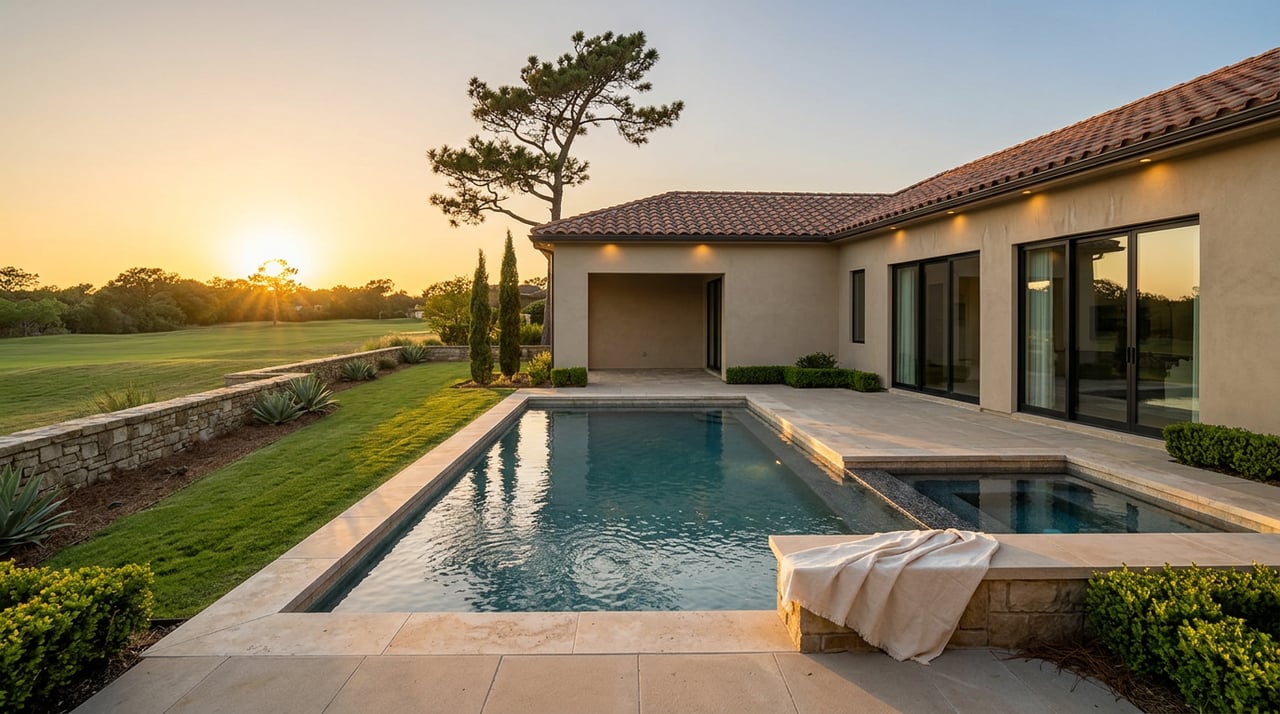
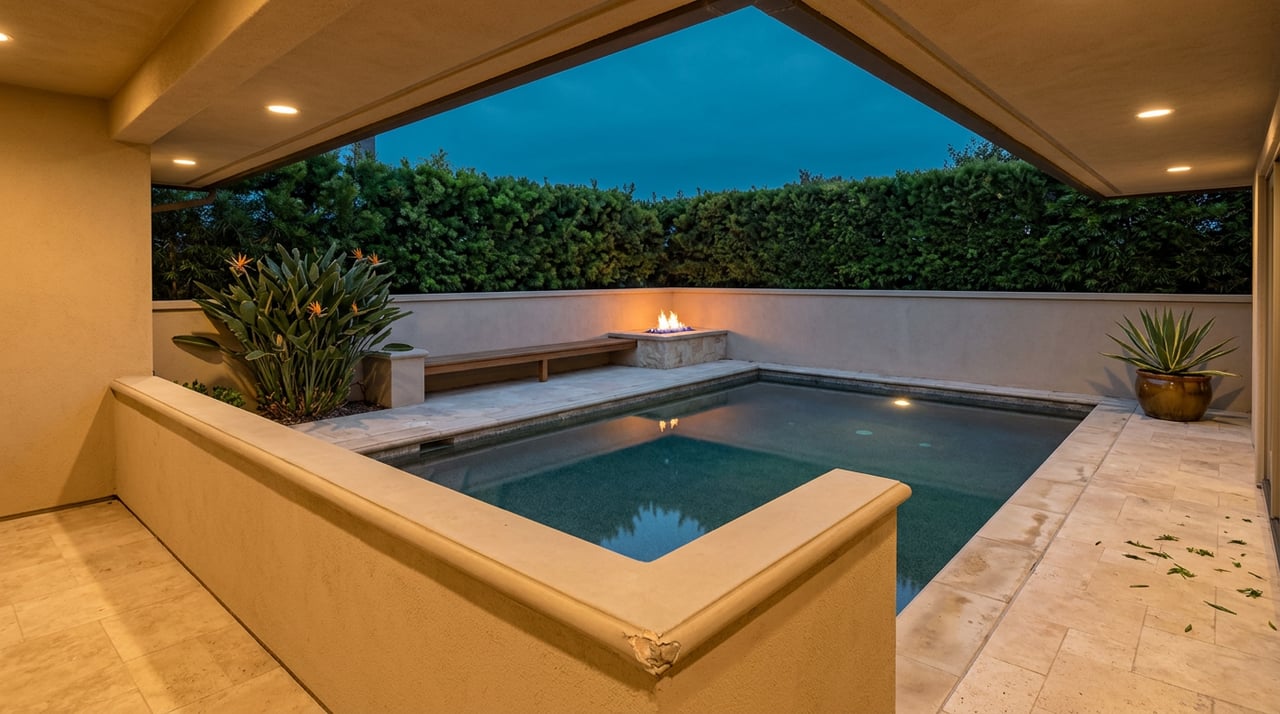
Selling near the coast brings unique wear and tear. Salt air can impact exterior finishes, flashing, and HVAC components. Older roofs and tile systems deserve a closer look, especially if you have solar. Many 92008 homes include pools or spas, which add equipment and safety features to evaluate.
Buyers in Southern California commonly request termite or wood-destroying organism inspections and may also ask for sewer scopes in older neighborhoods. If your home is part of an HOA, plan for HOA documents and any applicable maintenance or rule disclosures.
Add-on inspections that often make sense
Beyond the general inspection, you can add focused inspections based on your property’s age and features:
- WDO or termite inspection, commonly requested and often expected in Southern California.
- Sewer scope to evaluate the lateral line, especially for older properties or when slow drains are reported.
- Roof inspection or certification for tile roofs, older roofs, and homes with solar.
- Pool and spa inspection to check safety barriers and mechanical equipment.
- HVAC service verification, including age and maintenance history.
- Mold or moisture testing if there is visible staining or odor.
- Structural or foundation engineering evaluation when settlement, cracking, or soil movement is suspected.
- Radon testing is generally a low priority in coastal San Diego but can be added if desired.
What it costs and how long it takes
Budget ranges vary by size, age, and complexity. Local pricing in Carlsbad is often at or slightly above national averages.
- General home inspection: about $300 to $800
- WDO or termite inspection: about $75 to $250
- Sewer scope: about $150 to $400
- Pool inspection: about $150 to $350
- Roof inspection or certification: about $150 to $500
- Radon test: about $100 to $200
- Mold testing: about $200 to $600
- Structural engineer report: about $500 to $2,000 or more
A typical on-site inspection takes 2 to 4 hours, with a written report delivered in 24 to 72 hours. To keep your listing timeline on track, allow 7 to 14 days before going live to schedule inspections, get repair bids, and finalize your disclosure package.
Pros and cons for your sale
A pre-listing inspection is not one-size-fits-all. Here is how it can help and where it can add risk.
Pros
- Reduces surprises. You identify issues early and limit late-stage renegotiation or cancellation after buyer inspections.
- Supports accurate disclosures. It helps you complete required California forms and disclose known material facts.
- Builds buyer confidence. Sharing a recent report can signal transparency and may attract buyers who prefer fewer contingencies.
- Informs pricing. You can fix items or price accordingly, rather than facing last-minute price cuts.
- Can speed escrow. Fewer repair disputes often shorten the time to close.
Cons
- Upfront cost. You pay for inspections and any repairs you choose to complete.
- Reveals costly defects. Big findings, such as structural or major system issues, must be disclosed and can affect value.
- Buyers still inspect. Most buyers will do their own inspection and may seek further concessions or specialist follow-ups.
- Negotiation leverage may shift. If you share the report but opt not to repair certain items, buyers may price in additional credits.
Industry experience shows pre-listing inspections often shrink the scope of post-offer negotiations and help speed closings, with results varying by market conditions and property condition.
Which inspections are smart in 92008
If you are preparing a home for a spring listing in 92008, start with the general inspection. Then layer in targeted reports based on your home’s age and features:
- General home inspection as your baseline.
- WDO or termite inspection, strongly recommended.
- Sewer scope for older homes or slow drains.
- Roof inspection or certification for tile, older roofs, or solar.
- Pool and spa inspection if applicable.
- Structural evaluation if there are visible cracks, settlement, or slope issues.
- Consider radon and mold testing only if there are signs, history, or specific buyer concerns.
A simple 3 to 4 week timeline
Use this sample plan if you are aiming to list in Q1 or Q2.
Weeks 1 and 2
- Hire a general inspector and schedule WDO and sewer scope if needed.
- Receive reports within 1 to 3 days of each appointment.
- Flag any items that require specialists, such as roof or pool.
Week 2
- Request written estimates for recommended repairs or maintenance.
- Decide which items you will fix versus credit.
Week 3
- Complete selected repairs and gather receipts and permits.
- Pull HOA documents and any past permit history from the City of Carlsbad.
Week 4
- Finalize your Transfer Disclosure Statement and related forms.
- Assemble your disclosure packet, including inspection reports and repair receipts.
- Align your pricing and marketing strategy based on condition and competition.
California disclosure essentials
California requires sellers to complete statutory disclosures and to share known material facts and latent defects. A pre-listing inspection helps reveal items you might otherwise miss and supports accurate, timely disclosures. Selling “as is” does not remove disclosure obligations.
If you repair major defects, keep receipts and any permits. For termite work, treatment reports and clearance letters are often part of escrow, so use a licensed structural pest control company. When in doubt, consult your listing agent and consider legal counsel for significant issues.
How to use the report strategically
Your inspection is a tool. Decide how to use it based on your goals, property condition, and the market.
- Sell “as is” with clarity. Use the report to disclose condition and price accordingly.
- Fix targeted items. Address high-impact, cost-effective repairs that reduce objections or safety flags.
- Share the report. Offering a recent inspection can boost buyer confidence and may encourage stronger initial offers.
- Prepare credits in advance. If a repair is complex or time-consuming, a clear credit strategy can keep escrow clean.
Is it worth it in Carlsbad 92008?
For many Carlsbad sellers, the answer is yes. A pre-listing inspection usually reduces surprises, supports accurate disclosures, and helps you price and negotiate with fewer headaches. It is especially useful when preparing for an active spring market, when buyers want confidence and speed.
If your home is newer, recently serviced, and you prefer to sell as is, you may skip some add-ons and rely on thorough disclosures and a competitive price. If your home is older, has a pool or solar, or shows signs of deferred maintenance, the inspection’s value typically increases.
Ready to map out the smartest plan for your property and timeline? Connect with a local advisor who can help you prioritize, coordinate vendors, and position your home for the strongest offers.
If you are planning to sell in 92008, we are here to help you weigh the costs and benefits and craft the right strategy for your home. For a tailored plan and vetted vendor referrals, schedule a quick call with Amy Jensen.
FAQs
What is a pre-listing inspection for Carlsbad sellers?
- A seller-ordered home inspection completed before listing that identifies defects, informs disclosures, and helps you decide on repairs, pricing, and negotiation strategy.
How much does a pre-listing inspection cost in 92008?
- Plan about $300 to $800 for a general inspection, plus $75 to $400 for common add-ons like termite, sewer, or pool depending on your home’s age and features.
Will buyers still do their own inspection if I provide mine?
- Usually yes. Your report can reduce the scope of buyer requests, but most buyers will still conduct their own inspection and may ask for specialist follow-ups.
Which add-on inspections are recommended in Carlsbad?
- Termite is strongly recommended. Consider sewer scopes for older homes, roof checks for tile or solar, and pool inspections if applicable; add structural, mold, or radon only as needed.
Can a pre-listing inspection speed up escrow?
- Often, yes. Identifying and addressing issues upfront typically reduces renegotiation and helps resolve contingencies faster, though results vary by property and market conditions.
Do I have to make repairs if issues are found?
- No. You can repair, offer a credit, price to reflect condition, or disclose and sell as is. Your approach should match your goals, timeline, and the market environment.